

The 28 New Territories Housing Network () landscape is experiencing unprecedented growth, with new residential sites reshaping how towns join and thrive. These emerging housing developments are producing integrated living ecosystems that prioritize supply, sustainability, and community engagement.
The Increase of Related Property Neighborhoods
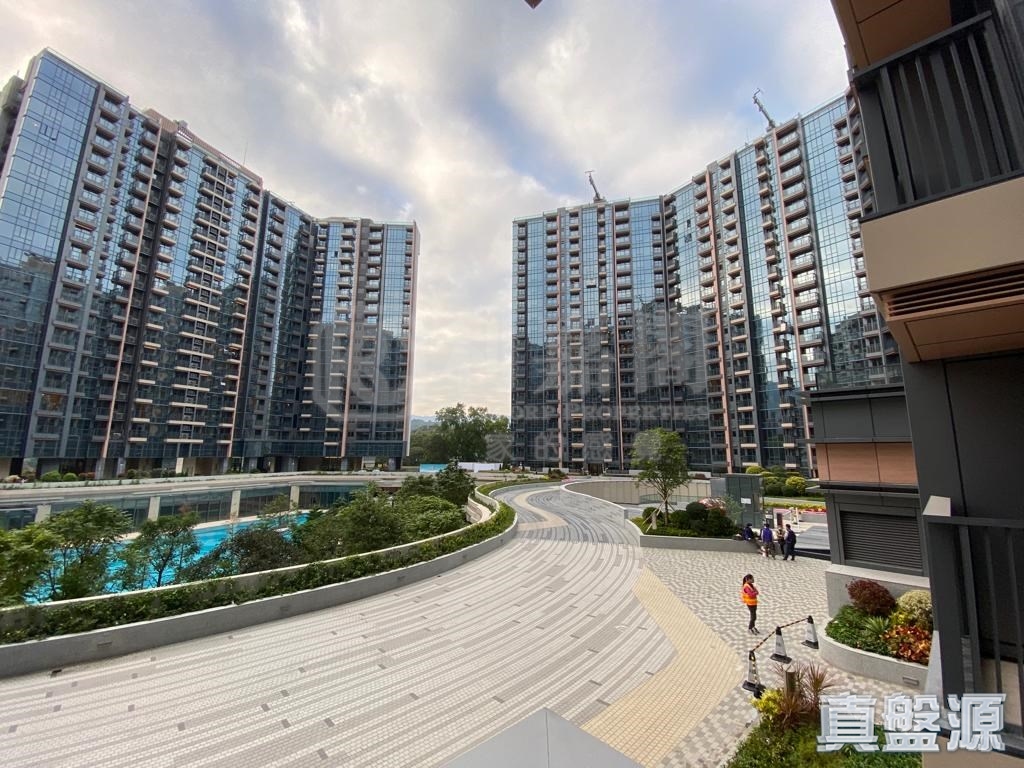
Upper metropolitan places are observing a 401(k) escalation in in the pipeline property communities over the past three years. These developments go beyond traditional subdivisions by incorporating mixed-use places, natural corridors, and shared community resources.
Modern property communities feature interconnected neighborhoods where citizens can walk to work, shop domestically, and entry recreational facilities within minutes. This approach decreases drive instances by typically 25 moments daily while fostering stronger community relationships.
Essential Characteristics Driving Recognition
Integrated Transportation Programs
Property networks today include focused biking paths, shuttle services, and electric car charging stations. These functions attract environmentally conscious buyers who would like sustainable transport alternatives at their doorstep.
Community-Centered Amenities
Discussed spaces like co-working locations, neighborhood
gardens, and exercise stores create normal getting points. Research indicates that residents in well-connected housing systems report 30% larger pleasure charges in comparison to traditional suburban developments.
Intelligent Infrastructure Integration
High-speed net, smart home features, and energy-efficient methods come normal in these developments. House customers increasingly expect these systems as standard features rather than luxury add-ons.
Market Developments Surrounding Upper Development
Demographic Adjustments Drive Demand
Small professionals and rising families symbolize 65% of consumers in upper downtown property networks. These demographics value ease, community contacts, and area to employment centers.
Distant perform styles also have inspired customer preferences. Several find properties with specific office rooms and reliable internet infrastructure, creating contemporary property networks especially attractive.
Investment Potential
Home values in well-planned housing communities enjoy 15% quicker than separated developments. This trend reflects the premium buyers place on community amenities and connectivity features.
Rental areas within these communities also display powerful efficiency, with vacancy prices on average 20% lower than bordering areas. The combination of desired amenities and strategic places creates consistent rental demand.
Benefits of Northern Metropolitan Living
Economic Benefits
Citizens save your self typically $3,000 annually on transportation costs as a result of reduced car dependency. Regional organization districts within housing networks develop employment possibilities and support economic growth.
House duty earnings from these developments frequently exceed infrastructure prices, producing good fiscal influences for local governments.
Environmental Influence
Property networks minimize carbon footprints through successful land use and sustainable creating practices. Distributed green spaces and storm water management programs protect regional ecosystems while creating beautiful outdoor environments.
Power use per family diminishes by around 20% in comparison to traditional suburban properties, because of effective building design and shared energy systems.
Social Relationship
Neighborhood events and distributed places foster significant relationships among neighbors. Studies show that citizens of well-designed housing systems know three times more neighbors by name than those in traditional subdivisions.
Children take advantage of safe strolling and biking paths to schools and recreational services, selling active lifestyles and independence.
Potential View for Upper Housing Systems
Technology Integration
Clever city technologies will end up significantly predominant, with functions like automatic spend collection, energetic illumination programs, and incorporated security sites becoming common offerings.
Sustainable Progress Focus
Potential property networks can incorporate alternative energy systems, water recycling services, and carbon-neutral creating products as environmental considerations travel growth decisions.
Affordability Initiatives
Designers are discovering innovative financing versions and diverse property forms to keep affordability while offering neighborhood amenities. Mixed-income developments ensure economic selection within housing networks.
Making the Transfer North
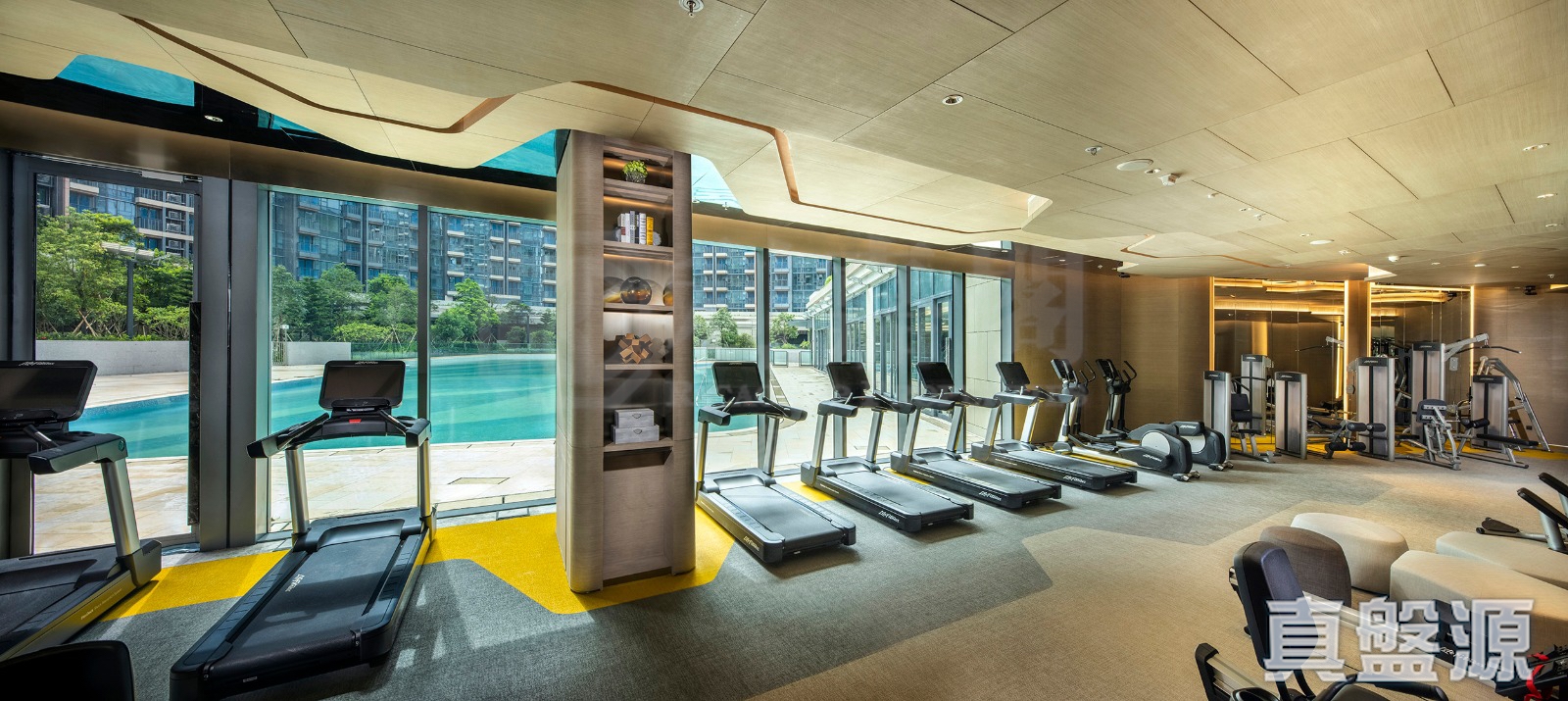
Northern metropolitan property sites provide powerful advantages for homebuyers seeking contemporary, connected living environments. The mixture of neighborhood amenities, sustainable infrastructure, and strategic locations generates price that runs beyond individual property ownership.
These developments symbolize the continuing future of suburban residing, where convenience matches community and sustainability drives style decisions. For customers prepared to embrace that life style, upper downtown housing sites offer an appealing pathway to improved quality of life.
The transformation of northern urban parts continues to increase, making options for people to have truly integrated neighborhood living.